earthquakes
An earthquake is a shaking of the ground caused by the sudden breaking and shifting of
large sections of
the earth's rocky outer shell. Earthquakes are among the most powerful events on earth,
and their results
can be terrifying. A severe earthquake may release energy 10,000 times as great as that of
the first atomic
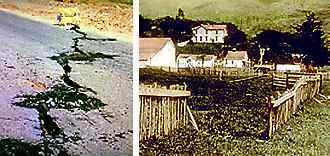
bomb. Rock movements during an earthquake can make rivers change their course. Earthquakes
can
trigger landslides that cause great damage and loss of life. Large earthquakes beneath the
ocean can create a
series of huge, destructive waves called tsunamis (pronounced tsoo NAH meez) that flood
coasts for
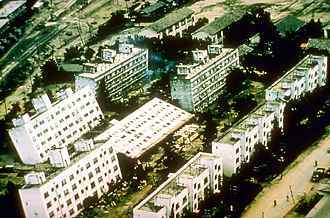
many miles. Earthquakes almost never kill people directly. Instead, many deaths and
injuries in earthquakes result from
falling objects and the collapse of buildings, bridges, and other structures. Fire
resulting from broken gas or
power lines is another major danger during a quake. Spills of hazardous chemicals are also
a concern
during an earthquake. The force of an earthquake depends on how much rock breaks and how
far it shifts. Powerful earthquakes can shake firm ground violently for great distances.
During minor earthquakes, the vibration may be no greater than the vibration caused by a
passing truck. On average, a powerful earthquake occurs less than once every two
years. At least 40 moderate earthquakes cause damage somewhere in the world each year.
About 40,000 to 50,000 small
earthquakes--large enough to be felt but not damaging--occur annually.
When
an earthquake occurs, the violent breaking of rock releases energy that travels through
the earth in
the form of vibrations called seismic waves. Seismic waves move out from the focus of an
earthquake in all
directions. As the waves travel away from the focus, they grow gradually weaker. For this
reason, the
ground generally shakes less farther away from the focus. There are two chief kinds of
seismic waves: (1) body
waves and (2) surface waves. Body waves, the fastest seismic waves, move through the
earth. Slower surface
waves travel along the surface of the earth.
