hurricanes
A
hurricane is a type of tropical cyclone-the general term for all circulating weather
systems (counterclockwise in
the Northern Hemisphere) over tropical waters. Tropical cyclones are classified as
follows:
1. Tropical Depression - An organized system of clouds and thunderstorms with a defined
circulation and maximum
sustained winds of 38 mph (33 knots) or less.
2. Tropical Storm - An organized system of strong thunderstorms with a defined circulation
and maximum sustained
winds of 39 to 73 mph (34-63 knots).
3. Hurricane - An intense tropical weather system with a well defined circulation and
maximum sustained winds of
74 mph (64 knots) or higher. In the western Pacific, hurricanes are called
"typhoons," and similar storms in the
Indian Ocean are called "cyclones."
Hurricanes are products of the tropical ocean and atmosphere. Powered by heat from the
sea, they are steered by
the easterly trade winds and the temperate westerlies as well as by their own ferocious
energy. Around their core,
winds grow with great velocity, generating violent seas. Moving ashore, they sweep the
ocean inward while
spawning tornadoes and producing torrential rains and floods. Each year on average, ten
tropical storms (of which
six becom become hurricanes) develop over the Atlantic Ocean, Caribbean Sea, or Gulf of
Mexico. Many of these
remain over the ocean. Howevever, about five hurricanes strike the United States coastline
every 3 years. Of
these five, two will be major hurricanes (category 3 or greater on the Saffir-Simpson
Hurricane Scale).
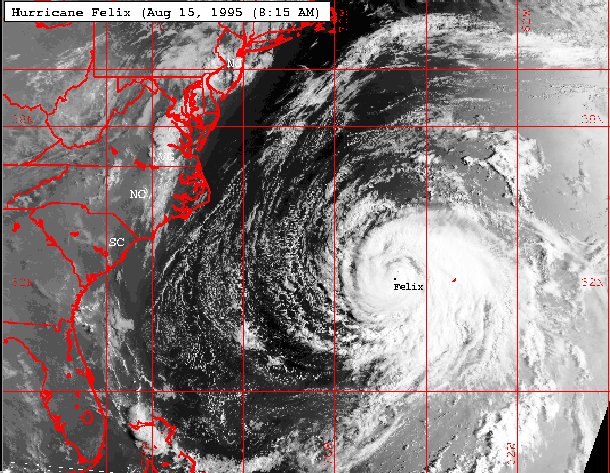
HURRICANE FELIX