

|
CIVIL WAR WEAPONRY | |
|
|
 |
This specimen was never fired. It is 4.5 in diameter. The groove in the base of the sabot lets the powder charge be tied to it. This was the most common solid projectile used in the Civil War. |
 |
The view of this shell shows a polygonal cavity. The lines of weakness show that the shell would shatter into a number of peices that are the same size. This ammunition seemed to be based on earlier British work. |
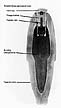 |
The Schenkl shell was made for the Federal armies. This shell was made in many different patterns. This pattern was the most common. The rear cone has seven raised ribs. It was one of the best projectiles during that period. This cone was covered with a papier-mache sabot. Confederate specimens often used wooden sabots, which were less successful and less effective. The diameter of this shell is 2.92 inches. It was shot from a 3-inch rifle. |
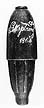 |
This is a different type of Schenkl shell. It is of the same style as the other Schenkl. This picture shows the interior construction of the shell. It also shows a good picture of the Schenkl brass percussion fuse. This projectile has an effectiveness rate of 82%. |
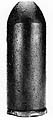 |
This Federal Parrot shell is 3.63 inches in diameter. It is used in a 20-pounder Parrot rifle with a 3.67 inch bore. The Parrot has a brass ring sabot and a zinc fuseplug for a paper fuse. |
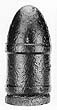 |
This Confederate Read bolt is 2.94 inches in diameter, and was made for a 3-inch rifle. The copper sabot in it is thick and uneven,and the use of bourrelets (the raised rings) as surfaces for the projectile gave it less time to machine the bolt to fit the bore. |
 |
These two specimens of the Federal 14-pounder James rifle projectile are Pattern 1, Sub-Pattern 1. It was made by Charles T. James. A sabot ring was expanded by the explosiv force going through the slots in the base of the shot. The shell on the ring had a lead ring covered with a tin sleeve. |
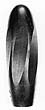 |
Whitworth ammunition was also made in many different styles. This style is the most common type of solid shot. It measures 2.73 inches across the flats. There is an exeptionally tight fit in the 2.75 inch bore of the twelve-pounder Whitworth breechloader. |
| Go Back To the Homepage |