    |
|
Signs should be taken down by April 30 at the latest, and usually at the end of March. Signs tend to be targets for collectors, vandals and other unhelpful people, so it is important to make them as secure as possible. The use of padlocks, chains, anti-climb paint and various unpleasant sticky substances is recommended to prevent signs being stolen. People have been fined for stealing signs.
Safety and public relations Safety must
be a primary concern when running a toad patrol. Children should
be supervised on a "one child to one adult" basis.
Everybody involved in the patrol must have their own torch,
and wear light reflective clothing at night. Toads sitting on
the actual road surface hold a fatal risk to those wanting to
rescue them and sites without good visibility along a road are
especially dangerous. Never risk injury to pick up a toad. . Monitoring It is important
to keep a record of the numbers of amphibians rescued, and the
number killed each night. Always note and keep a written record
of all these figures. Also note the number of volunteers who
have helped with toad patrols and the time spent each evening. |
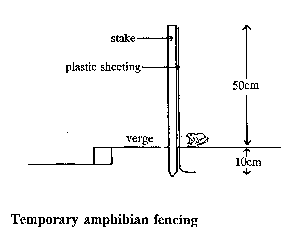
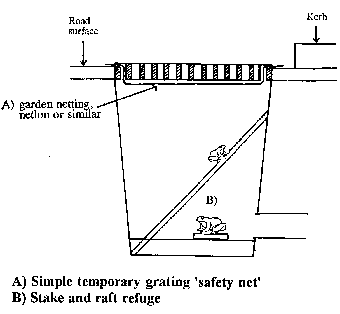
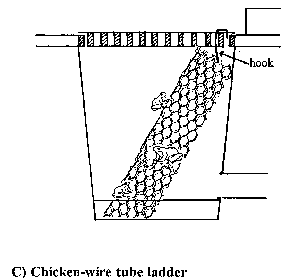
|
|