    |
|
DESIGN BRIEF RECOMMENDATIONS |
|
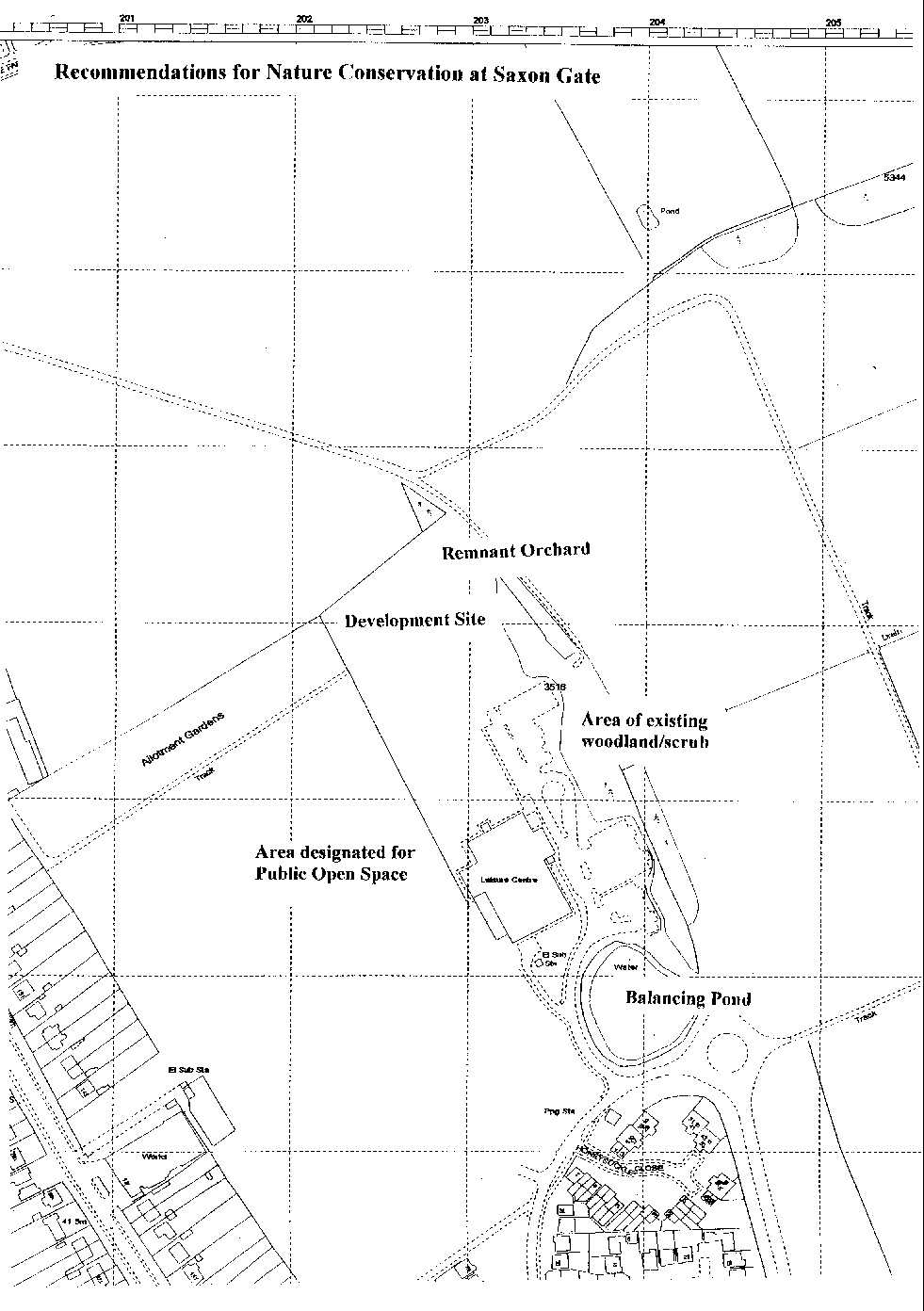
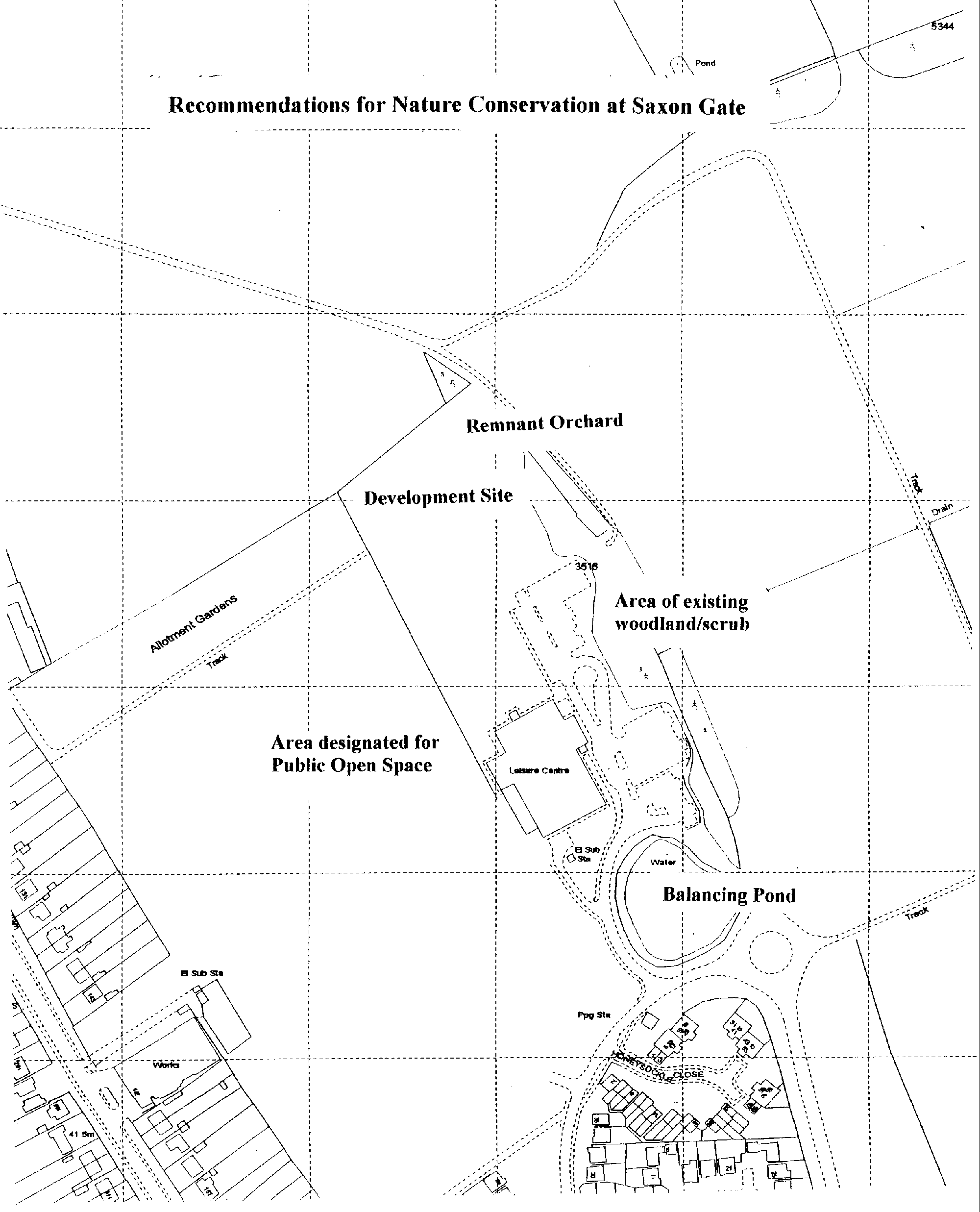
This document was sent to Mid Beds District Council for consideration in the design brief for the Stratton Local Centre Development and adjoining public open space. (Issue 1: November '99) Ivel Valley Countryside Project Recommendations for Nature Conservation at Saxon Gate LOW RESOLUTION (30kB) / HIGH RESOLUTION (80kB) MAP 1.0 Introduction The following report has been compiled following consultation with John Comont, Beds County Council Ecologist, Dr Marcus and Susan Phillips of the Ivel Wildlife Group, David von Janowski and Mel Lloyd, co-ordinators of the Saxon Gate Toad Lift. 2.0 Background The countryside within and on the edge of towns and cities is of great importance; both for the contribution it makes to the quality of life of those who live in towns and cities and also for the wildlife that these habitats sustain. The Saxon Gate site has been found to support a flourishing and varied wildlife population. Detailed monitoring by the above-mentioned organisations has shown the presence of an exceptional amphibian population (common toad, common frog, smooth newt and great crested newt (see section 3.41)) using the balancing pond, local gardens and adjacent scrub. Small mammals (shrew, weasel, rabbit and harvest mouse) and good bird populations (warbler, starling, wren, heron, skylark and barn owl the last two being nationally threatened species) also occur. Bats are certainly present, though monitoring has yet been done. Two rare (nationally threatened) butterflies: brown argus and essex skipper have been recorded on an adjacent site. Marbled whites, which are increasing their range in the county, were seen at Saxon Gate for the first time this year. A botanical survey of the banks of the balancing pond has identified plants which have colonised the slopes since the pond was created, notably yellow rattle which had been recorded for the area but was thought to have disappeared, and also inappropriate introductions such as kidney vetch. The breeding success of the amphibians has to be set both against the world-wide decline in their numbers and an increasing number of man made obstacles to the utilisation of this particular pond. These two factors, taken together, underline the importance of the pond as a breeding site. |
|
|