|
"The water that makes up more than two thirds of your body weight, that flows in your blood, that bathes your cells, that you cry as tears, may once have flowed in the river. All the water on earth is connected in a global Hydrologic cycle." -April Pulley Sayre, "Coral reef"-1996-
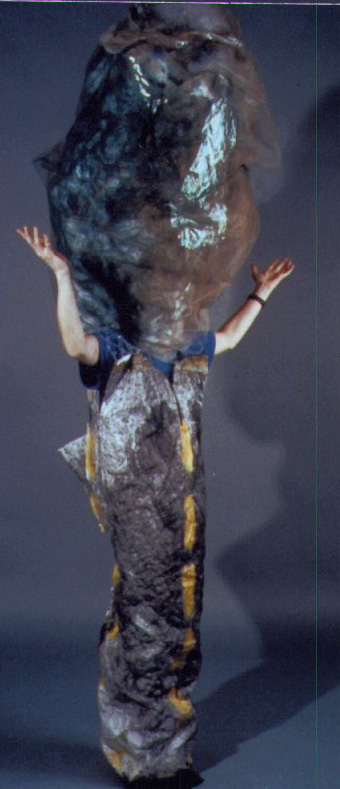
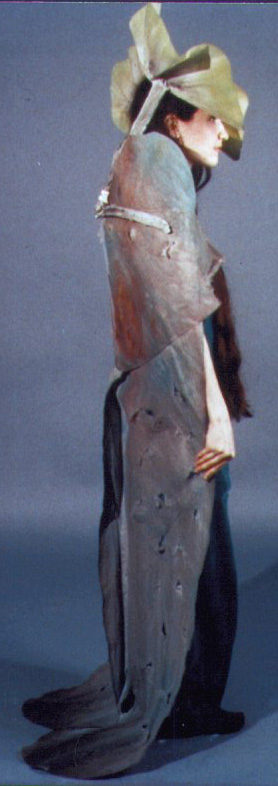
Coral Reefs are amazing artistic sculptures. Coral Reefs are concentrated in four main ocean regions: Indo-Pacific, the West Indian region-(Florida Keys, and the Caribbean islands), the Eastern Pacific region-(the reefs along , And the West African region)-the reefs along the west coast of Central and South America, (such as the Galapagos reefs. )
The richest coral reefs, with the greatest number of animal species, are found in the Indo-Pacific, which includes the Indian Ocean and western Pacific Ocean. The Indonesian, and Philippine reefs, the Red Sea, and the world's longest expanse of coral reef: the Great Barrier Reef of Australia.
Corals are animals that produce limestone as they grow. Three are three main types of coral reefs; Fringing, Barrier, and Atolls. There are two types of Corals, "reef building corals, (hard corals), and non reef building corals,(soft corals, black corals, thorny corals, and horny corals.)
There are billions of them that live on top of limestone that the corals and their ancestors have formed over thousands of years. Coral Reefs are divided into four main zones, according to their exposure to ocean waves. The Lagoon; the open water area is the what separates reef from land. The Reef flat is the flat area that slopes from the beach or lagoon to the crest of the reef. This area has sand, mud, scattered grasses, and coral clumps. The Reef Crest is the highest part of the reef, where waves break. The Reef or Fore reef is the front part of the reef, which is farthest from the land and farthest out at sea. It serves as the all into the deeper water. The Coral is like the Earth, it mothers and nurtures plants and animals. There is tiny algae living inside the coral and helps form the limestone. the Algae makes the reef sturdier too. The coral reef's mounds, branches, and layers provide surfaces for protection, and a fun place to live. Sponges grow attached to the reef. Lobsters and worms hide in crevices. The coral mounds provide places for colorful schools of fish to hang out. Cowies-relatives of snails hang out on the flat surfaces of coral fans. Damselfish mowe the algae lawns. Mollusks, corals, worms, shrimp, sea anemones, sponges, and fish such as eels and manta rays are only a few of the coral reef's important residents. 14% of the world's coral reefs, are in the Gulf of Mexico, and the Caribbean Sea. These reefs are home to colorful corals and strange sponges, plus lobsters, squid, octopi, stingrays, and numerous other fish. The largest Mollusk in the world is the Tridacna, a giant clam-of 450 pounds with it valves more than 3 feet. A one-celled alga lives in its tissues. These one celled alga also lives in the cells of coral polyps. (Unfortunately, sometimes the Tridacna's shell are used as a holy water font in churches.)
Coral Reef / April Pulley Sayre
The World Hertitage / Coral Reefs
Wildlife Of the Oceans / Jensen
|