Creating a Simple Noise Background in 5 easy steps
by Chris Stern / CS Designs


To create the type of background discussed in this tutorial you will need Paint Shop Pro. If you do not already have it you can down load a trial version by clicking on the link above.
Now that you have a copy of Paint Shop Pro, we will assume that you have at least made yourself familiar with the menus and the options contained in each.

I have tried to keep this tutorial as simple as possible and have numbered each step accordingly. Just follow each step as specified under each consecutive image and you should have several backgrounds to use with little effort.


Step #1.)

Start by creating a new image. 100 x 100, background color white in 16 million colors.

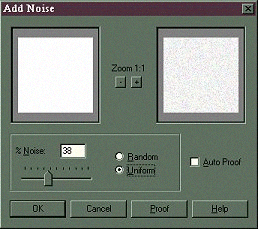
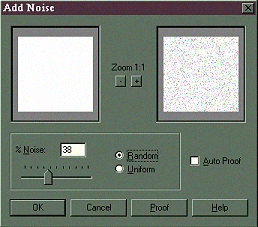
Step #2.) Go to the Images Menu and select Noise. Please see noise option below:


 Noise Options

Since this is an individual thing, you may choose what every percentage of noise you lie best. If you select the auto proof option you will see the image your are working on change as you select the different options. 

You can use either the Uniform or Random option for the images used in this tutorial I sued the Uniform. It seems to be a little finer grain than the Random.


Step #3.)

After the noise has been created, I like to change the image to gray scale to remove unwanted colors and then back again to 16 million colors so you can use the layer features of PSP. After your images has been change back to 16 million colors go to the layers menu and select new lately. You will not see any visible change in your images, but it now has in invisible lately for you to work on.


Step #4.)

Once you have added the layer to your original image, go  to the color menu and select the color you wish for your background.

Flood Fill the layer with the 


Step #5.)

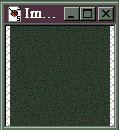
Once you have an image similar to the one on the left go back to the layers menu and select properties. Next change blend mode to modify. In most cased you will want to leave the opacity to 100 by you can play with this setting to achieve the effect you want.
When you use the modify option of the layers menu, it will combine the bottom layer with then color layer to produce a darker color.
As a final step merge all layers (Flatter) That is pretty much it. You now have a background that will tile seamlessly. 


The next are just fun variations


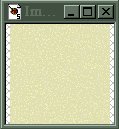
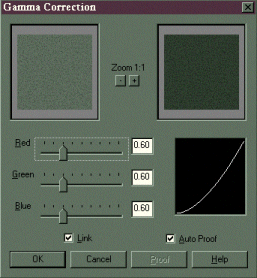
Once you have created the final image above, there are numerous variations you can create with this single image. To create the image displayed below I choose Color Menu, Adjust, Gamma Correction.  Sliding the bars to the right make the the image lighter, to the left darker. Before attempting this process, you might want to duplicate your original several times and then play with the duplicates.

This image was created by applying negative image to the image above.

The images directly above were all created from the original image by just playing with the gamma correction or colorize options.

The images on this page ae not available for use on other web pages if you like the noise tiles and would like them as backgrounds please visit this page.


Back to Menu

Please use the back button to go back to the page you just came from.
If you do not have Java enabled use the back button of your browser.

Images & content of this page are not available for use on any other website without my written permission.

Chris Stern / CS Designs © Copyright All Rights Reserved April, 1999