|
|
  |
  |
|
|
|
|
| The Turks
and Caicos Islands, named after the Turk's Head "fez" cactus found on the
islands. Caicos comes from the Lucayan, caya hico, meaning string of islands. The islands first settlers were the Taints, these left little else behind but ancient utensils. By the middle of the 16th Century, the people Columbus named as the Lucayan's had all been either used for slaves, pearl divers or died from imported diseases. Columbus was said to be the first to discover the islands in 1492, but some will still argue that Ponce de Leon was the first. In 1776 after being controlled by the Spanish, French and British, Turks and Caicos became part of the Bahamas colony but attempts to integrate failed and so abandoned in 1848. London - Kingston boats frequently visited Turks and Caicos, so links with Jamaica were well developed. Turks and Caicos became a British Crown Colony in 1962 and links were maintained to the Bahamas through the Anglican Church. |
|
|
|
|
| Providenciales,
or more commonly known as "Provo", covers an area of 38 miles and is the
most developed island in Turks and Caicos. There is a population
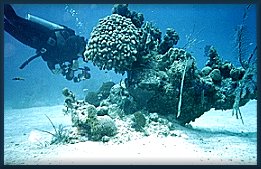
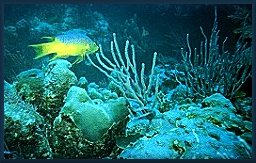
of over 6,000, and Provo has the largest non-native population made up of Haitians, Dominicans, French, Canadians, Germans and Americans.To the north of the island, near Sapodilla Bay you will find the most beautiful beaches, also the long Coral Reef which is a divers paradise and is rich in aquatic and marine life. Towards the south of the island you will find Chalk Sound, a large lake with striking turquoise water and an array of small Cays. The island's commercial port, South Dock is found east of Sapodilla Bay and has the capability to deal with containerized goods. The 2 main and oldest settlements on the island are Bight and Blue Hills and are built around fresh water supplies. These 2 locations give a real feeling of Caribbean villages. If you wish to do some shopping, Provo offers a nice range of boutiques in Turtle Cove. Down Town you will find retail shops, business offices and travel agents. |
|
|
| Provo
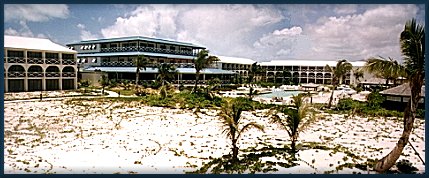
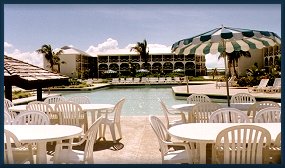
has attracted many hotel and resort developers and you will find the most
accommodation, and recreational facilities there. |
|
|
|
They
are also listed on the Internet so go take a look. |
|
|
| We spent
6 days on the island. We didn't have time to explore the island, sorry
to say that. But if you want some information about sightseeing, check out the links page! |
|
|
|
|
|
|
| Provo
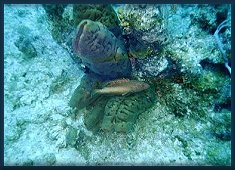
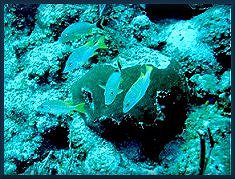
offers diving in four separate areas and, like all diving destinations
in the Caribbean, weather plays an important role in deciding which one you can get to. |
|
|
| Pine Cay Area is
a small island located 30-45 minutes by boat northeast of Dive Provo's Turquoise Reef Resort dock. The dive sites off the Cay are submerged sea mounts that rise to within 50' of the surface and are known for consistently good visibility, even at times when the visibility is down at other north side sites. |
|
|
| Grace Bay is
a short 15 minute boat trip from the Turquoise Reef dock and is protected
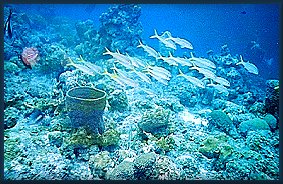
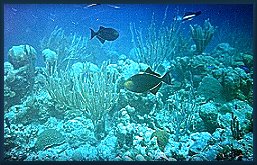
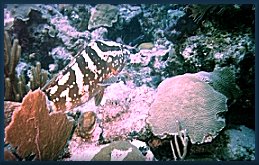
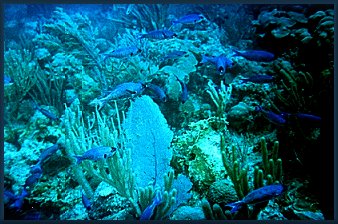
by a 14 mile barrier reef. Prolific marine life such as groupers, barracudas, turtles, sharks and the occasional manta ray inhabit this area. |
|
|
| Northwest Point. |
|
|
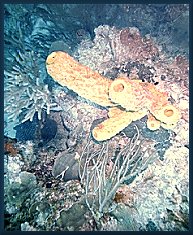
| The
vertical walls of Northwest Point begin at 35 feet and are famous for a
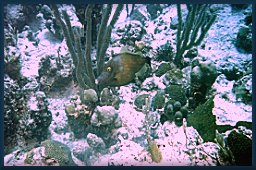
variety of formations including gold and purple tube sponges. Dramatic dive sites are the rule here where large fish and elephant ear sponges are frequently encountered. |
|
|
| West Caicos is
virgin diving at its best. Pristine walls and a variety of marine life
greet divers. The area is frequently worth an extended day of diving. |
|
|
|
|
|
|