
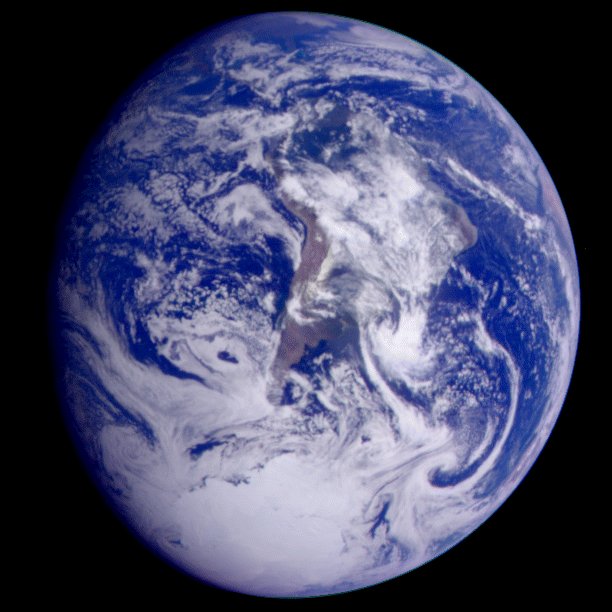
Earth is the largest of the 4 inner planets. Earths internal structure
is made up of a solid metal, inner core surrounded by a molten metal outer core, followed
by layers of molten, semimolten, or solid rock. This is simular to the other inner
planets. No other planet in our solar System has liquid water or an oxygen rich
atmosphere. The oldest rock that was discovered in the Earths crust dates back 3.9 billion
years. The oxygen that we breath and take for granted every single day was made from life
here on Earth. The process of oxygenation began with bacteria about 2 billion years ago.
200 million years ago all the land masses on Earth were grouped closer together. The
Atlantic Ocean increases in width by about 1.2 in (3 cm) each year. Earth has periodic
magnectic reversals when the north pole becomes the south pole, and vice versa.
|