Lhasa
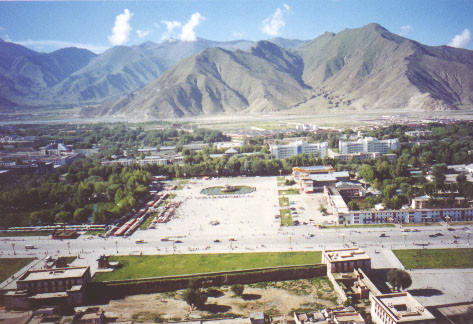
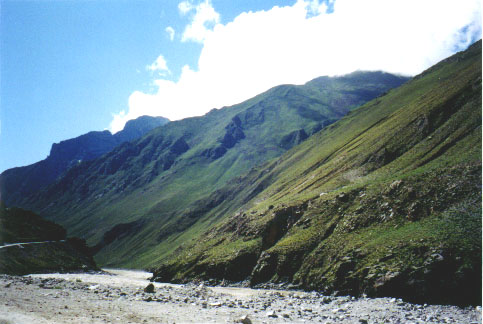
Wooo, I finally arrived at Lhasa!!! Lhasa, the capital of the Tibet Autonomous Regoin, is located at the north bank of Kyichu River, a tributary of the Yarlung Tsangpo River, at an altitude of 3,650 meters above sea level. Lhasa has a history of more than 1,300 years and it's been the center of politics, economy, culture and religion in Tibet since ancient times.
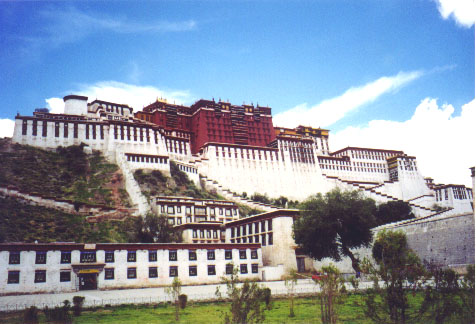
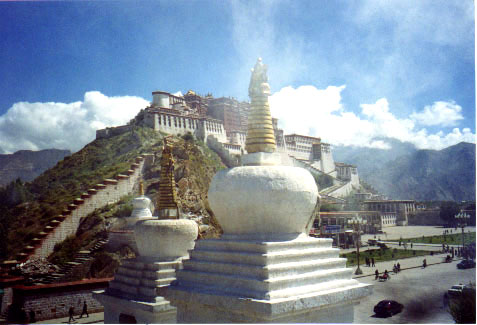
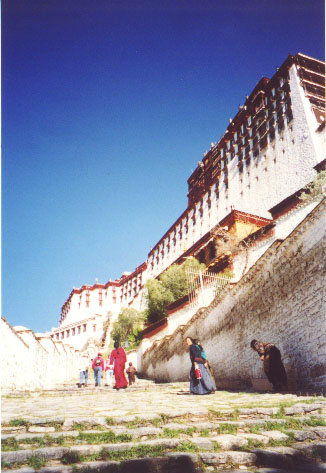
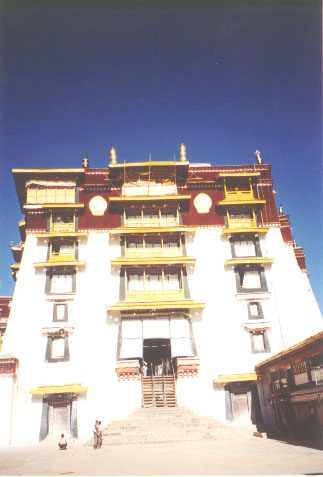
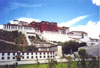
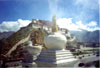
"Lhasa" in Tibetan means "the land of gods". There are numerous scenic spots and historical attractions, among which Potala Palace, Norbulingka, Drepung Monastery, Sera Monastery, Jokhang Temple and Ramoche Temple, are the most famous.when we talk about Lhasa, we are sure to think of Potala Palace. The Potala, one of the most famous architectural works of our nation, is erected on top of the Red Hill in Lhasa. The word "Potala" comes from Sanskrit. In the 7th century, after the Tibetan King Songtsen Gampo's marriage with Princess Wencheng of Tang Court, the Palace was built for the meditation. In the mid 17th century, it was rebuilt by the 5th Dalai Lama to its present size, and ever since it became the Winter Palace of the Dalai Lamas. The construction took 50 years from its beginning to completion. The Potala is divided into two sections, namely, the Red Palace and White Palace. The total height of Potala is 117 meters which is built in 13 storeys, the length of the Palace from east to west has 400 meters and the breadth from south to north has 350 meters. The whole building is a structure of stone and timber. The topmost flat glistens with golden roofs. It is a magestic architectural work and the cream of Tibetan culture and a complex of Tibetan and Han culture.
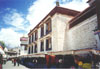
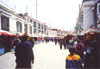
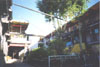
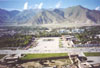
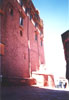
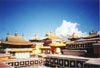
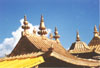
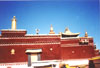
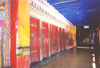
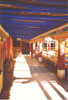
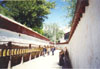
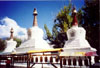
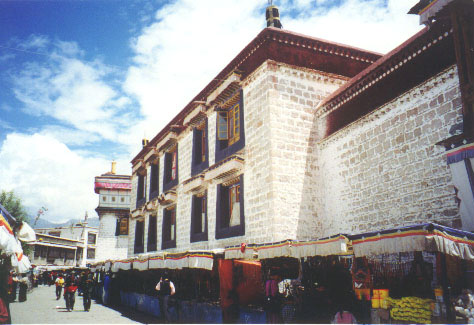
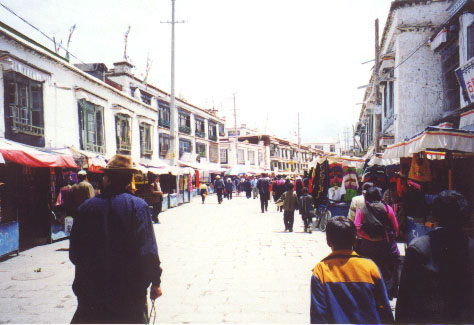
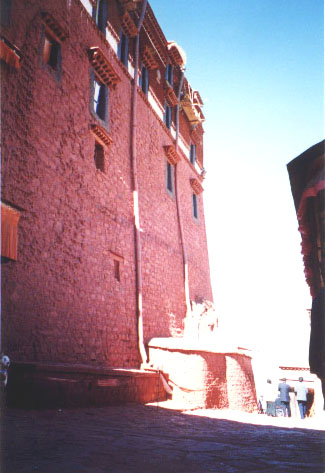
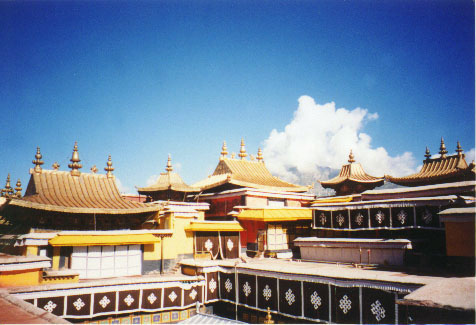
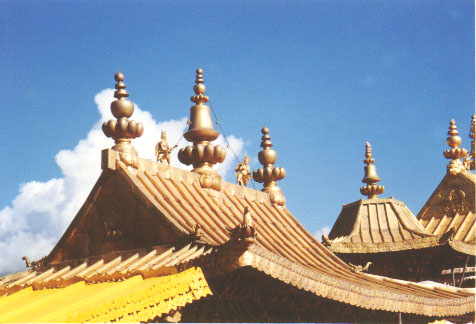
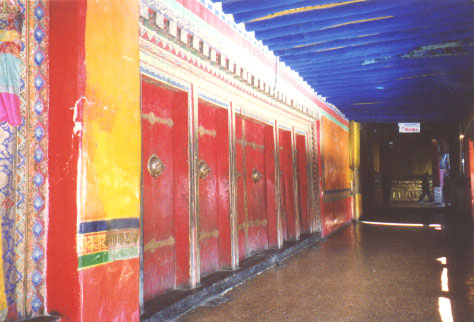
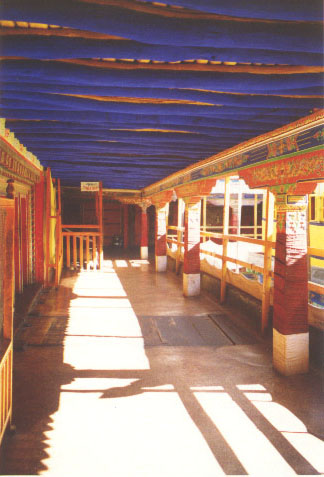
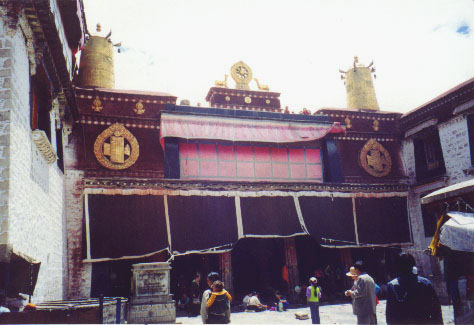
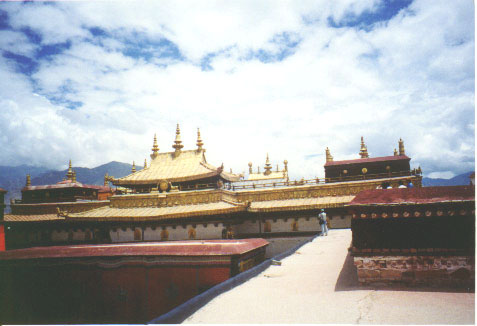
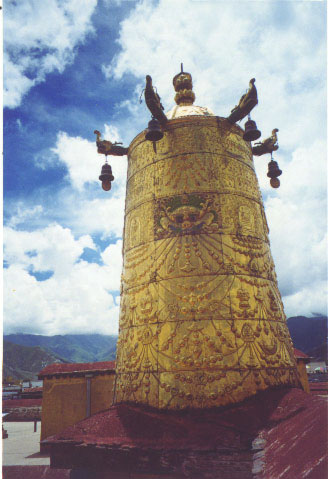
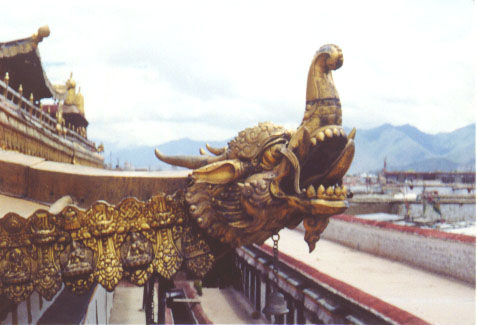
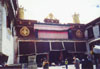
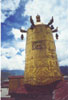
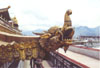
Situated in the center of the old section of Lhasa, Jokhang Temple was built in the mid 7th century A.D. and later extended by successive rulers, it has now become a gigantic architectural complex. Located in the east, facing to the west, it is a 4 storeyed temple with splendid golden roofs. It has a architectural feature of Tang Dynasty and also assimilated very much features from both Nepalese and Indian Buddhist temples. The murals in the temple mainly depict the life stories of historic characters. The temple houses many historical relics since Tang Dynasty and statues of King Songtsen Gampo, Princess Wencheng. Princess Bhrikuti Devi. "Princess Yellow" (a tree), and "The Uncle - Nephew Alliance Tablet" can be seen at the from gate of temple.
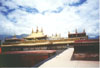
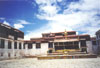
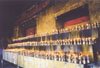
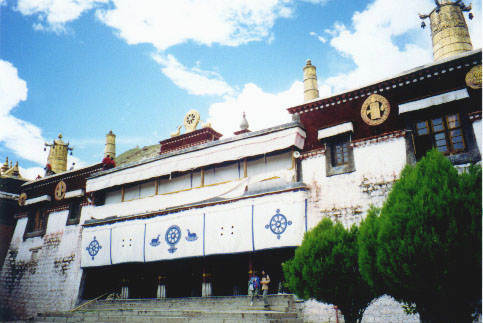
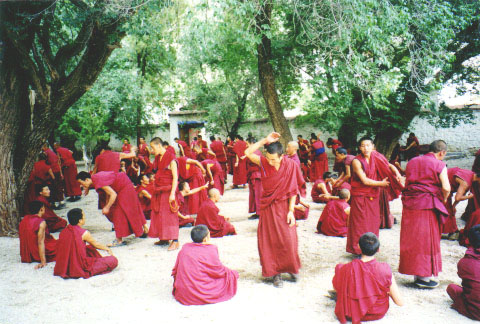
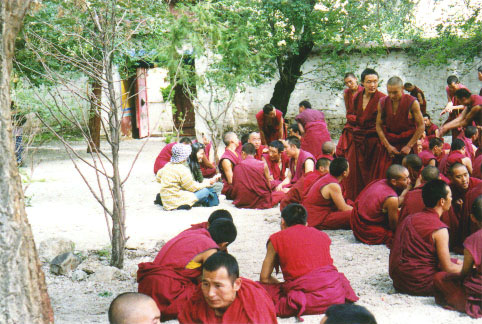
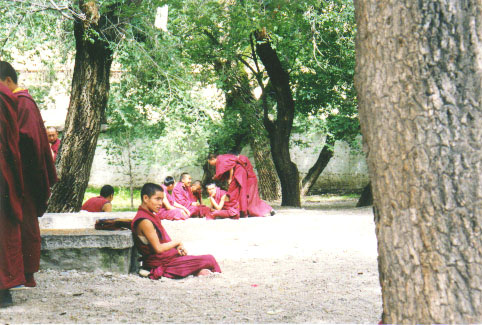
Situated at 3km's distance to the northern suburb of Lhasa. Sera Monastery was founded in 1419 by Jamchen Choje, a disciple of Tsongkapa, the founder of Gelugpa Sect. The monastery is erected grandly at a mountain slope with a colorful architecture. Sera Monastery together with Ganden Monastery and Drepung Monastery in Lhasa are known as the Three Great Monasteries of Tibet.
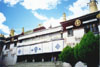
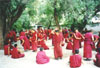
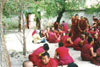
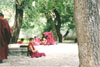
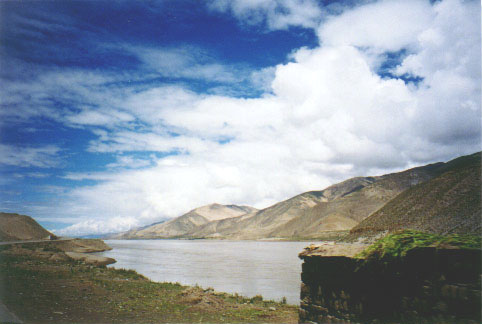
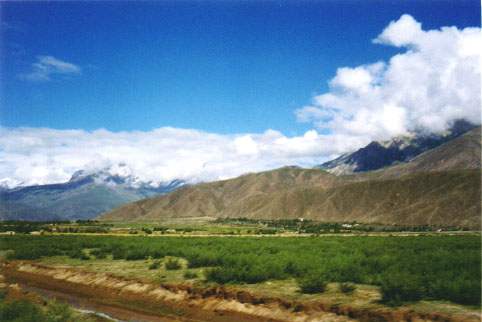
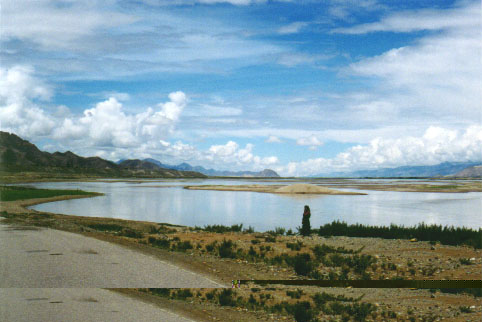
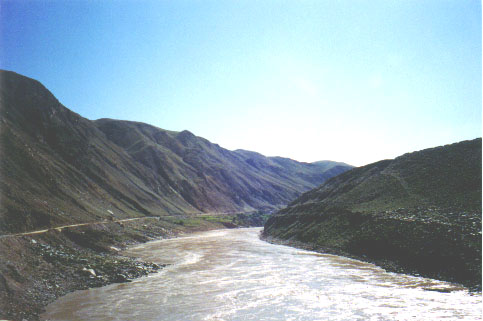
These are the places which I have visited in Lhasa. my next stop is Shigatse. The Yarlung Tsangpo River runs across Tibet, it connects Lhasa and Shigatse. This is the most important river of Tibet.