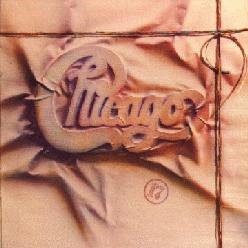
Chicago 17
Notes: This story appeared in the Mott Community College Post, Flint, Michigan in 1985, between the release of "Hard Habit To Break" and "You're The Inspiration". The information in this story is based on information available to me in 1985. The story itself utilizes Associated Press wire service style.
Chicago's New Album Goes To New Wave
By Larry Launstein, Jr.
Post Staff Writer
Chicago is going to New Wave.
"Chicago 17," the latest in a long line of Chicago albums, represents a change in its legendary jazz-rock sound.
What's new is the so-called synthesizer programming, credited to the album's producer, David Foster, and played by the group's keyboardists, Robert Lamm and Bill Champlin.
The change is most noticeable on last summer's hit single "Stay The Night."
A trendy, new-wave-sounding song because of the synthesizers and the electric organ, this song succeeds because of some catchy lyrics by lead vocalist Peter Cetera.
As he sings words like "I want you to know one thing is certain / I surely love your company / And I won't take no if that's your answer / At least that's my philosophy," the keyboards accompany him.
And the guitar solo is remisicent of the late Chicago guitarist Terry Kath's performance in the 1970 hit "25 Or 6 To 4."
The change is also quite noticeable in "Prima Donna," a song from the movie "Two of a Kind," and in "Only You" and "Along Comes A Woman."
Chicago's trademark has been, and always be, its horn section, which dates back to 1968, the year the group began playing on the Chicago nightclub circuit.
This section consists of trumpeter Lee Loughnane, trombonist James Pankow, and woodplayer Walt Parazaider.
The horn section is most effective in the song "Please Hold On," a jazzy tune by Champlin.
This song may be released as a single because it has catchy lyrics like "The lady's constant cruisin' / explains the tears / The lonely path she's choosin' / If I didn't love her, would I still be here."
This album also has songs that have the sound that has characterized Chicago's style in recent years. "Hard Habit to Break," the most recent hit single, has the orchestra-like sound that is similar to past hit songs such as "If You Leave Me Now," "Baby, What a Big Surprise," and "Hard To Say I'm Sorry."
The other songs in "Chicago 17" like that are "Remember The Feeling" and "You're The Inspiration."
In the song "Once In A Lifetime," there is a percussion solo, which hasn't been done since the group's former percussionist, Laudir DeOliveira, was with the group.
The solo is remiscent of the one at the end of the 1969 hit "Beginnings."
There is even an anti-poverty song in the album, called "We Can Stop the Hurtin.'" Its lyrics are catchy, too.
For instance, the song says, "Families livin' in their cars and kids run numbers out of bars / Knowing pride won't pay the bills, men work jobs beneath their skills."
Protest songs like this go back to the days of the hit singles such as "Does Anybody Really Know What Time It Is?" and "Dialogue."
Sung by keyboardist Robert Lamm, this song is helped by synthesizers, too.
Drummer Danny Seraphine also makes his presence felt by opening the songs "Stay The Night," "Please Hold On," and "Once In A Lifetime."
Although "Chicago 17" represents the change to a new-wave style, the group has retained enough of their tradional sound that has made them highly successful in the ever-changing world of rock 'n' roll.
1985 Mott Community College Post, Flint, Michigan.
Submission courtesy of the author, Larry Launstein, Jr.