    |
|
HISTORY
PAGE
STRATTON PARK ESTATE The story of an Elizabethan Manor House |
|
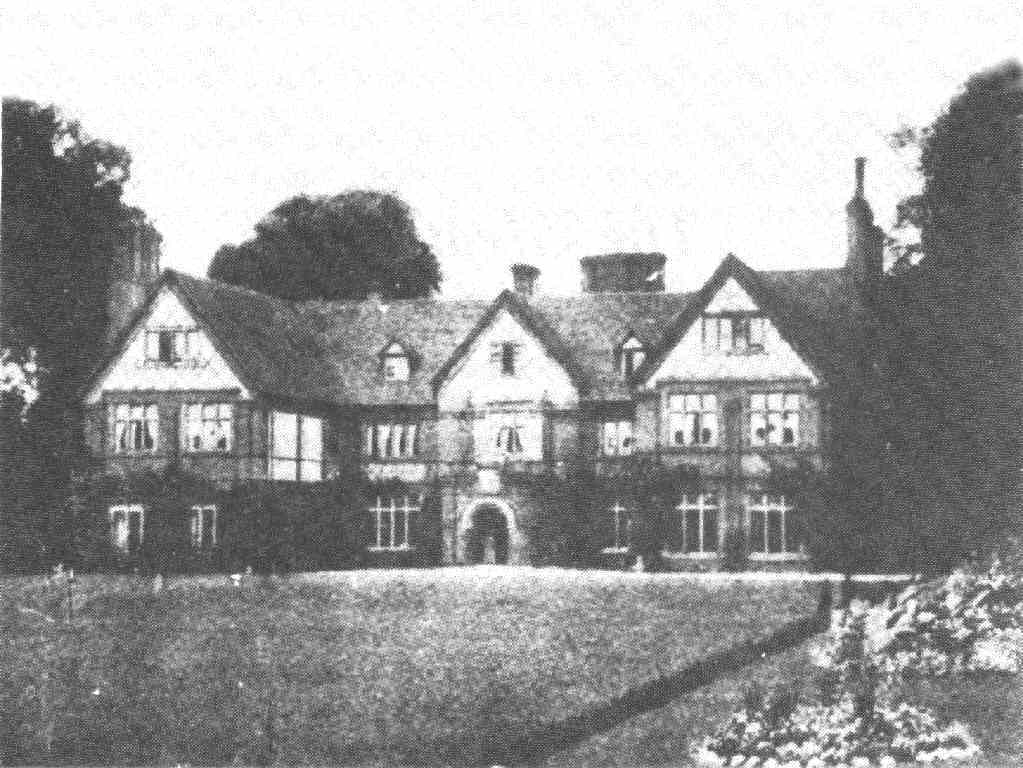
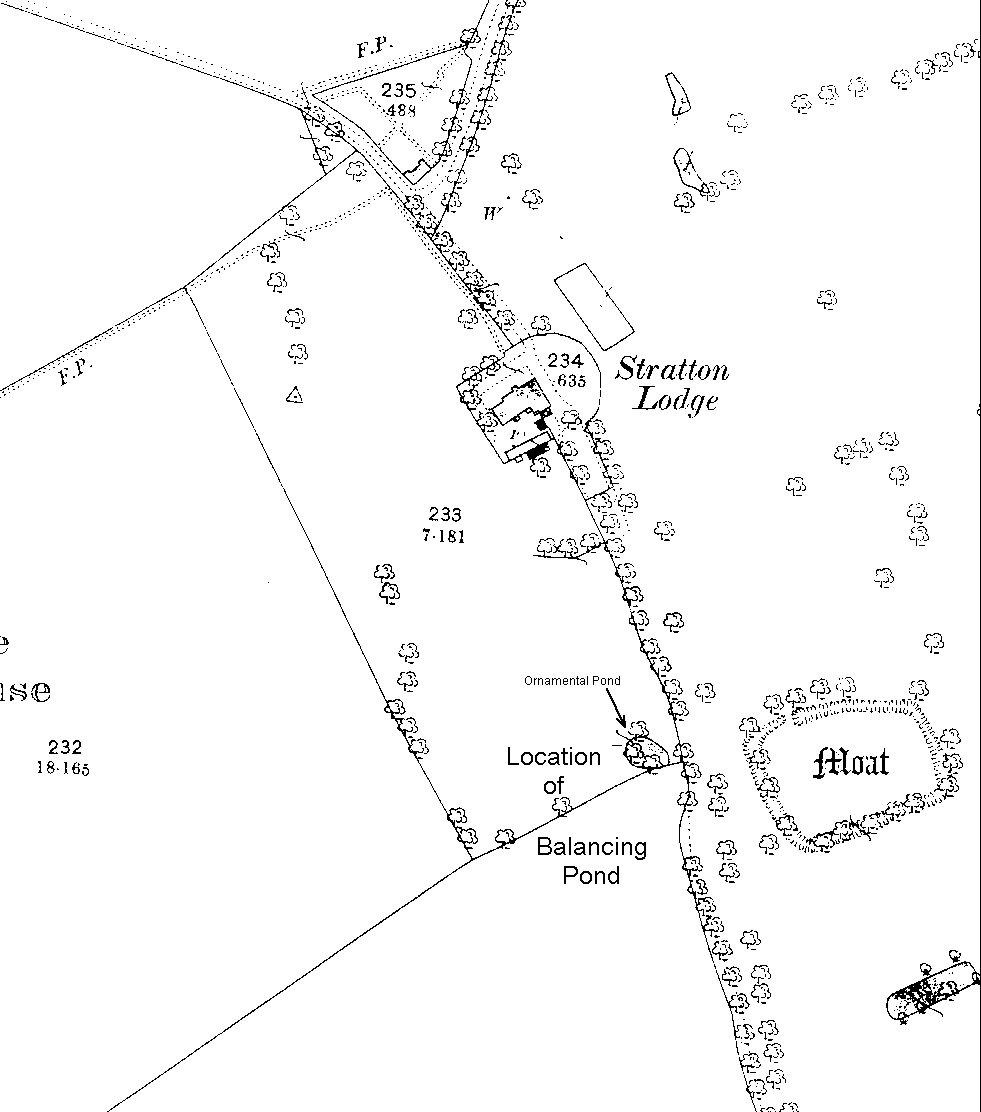
TALKING BOOK The area which is now known as ‘Saxon Gate’ was once part of the grounds of a large manor house. The Elizabethan Manor House ‘Stratton Manor’ was bought from the Cotton family in 1764 by trustees of the Barnett family. Elizabeth Barnett lived there until her death in 1775. Ownership of the estate was then transferred to her son (squire) Charles, who died in 1876. Squire Charles son Captain Charles Fitz Roy Barnett then inherited the house. The house was refaced in 1878 and the gardens were well maintained, probably thanks to the influences of Captain Barnett’s wife Lucy Jane. Lawns were immaculately kept and flower beds were surrounded by gravel paths. There was a croquet lawn, fruit trees, hedge rows, an ornamental pond and sunken rose garden. The Manor house grounds were flanked by a moat and enclosed by well established forest trees. Mrs Barnett died in 1908 and in 1910 the Stratton Park Estate with 1070 acres of land was sold by auction. The Manor was bought as a boarding school for boys, ‘Parkfield School’ and the gardens were then less well cared for. By the 1930’s the Manor was deserted and standing empty and in the 1940’s was used as an army barracks. In 1958 the building was used as a chicken house for several years before being demolished.
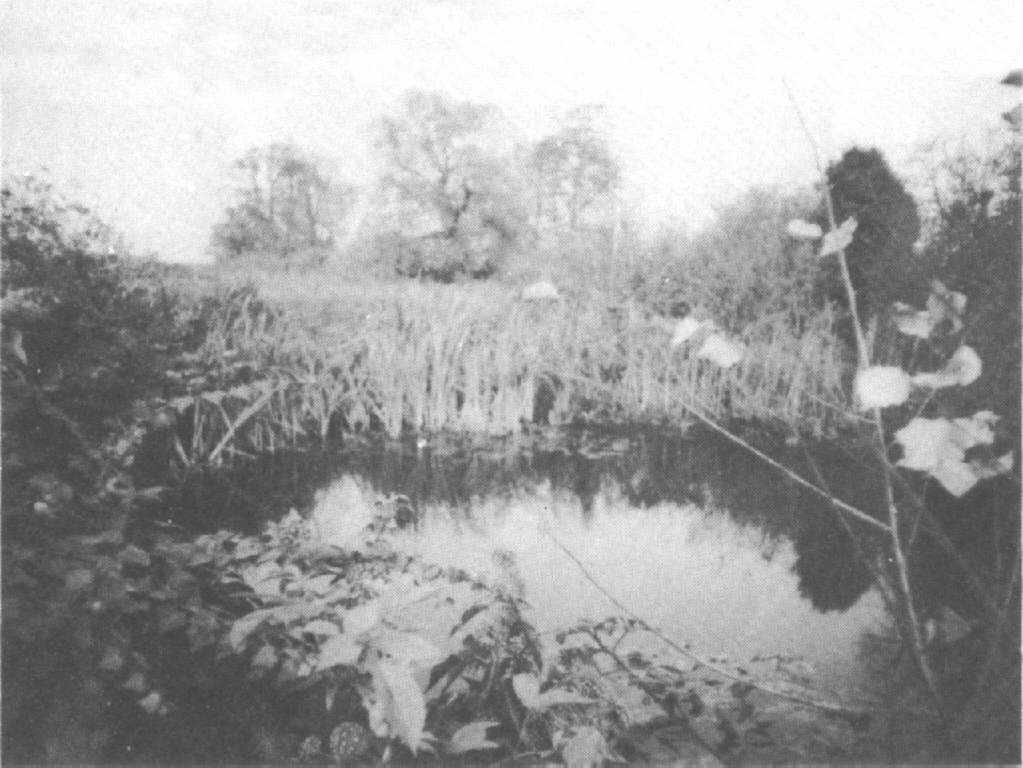
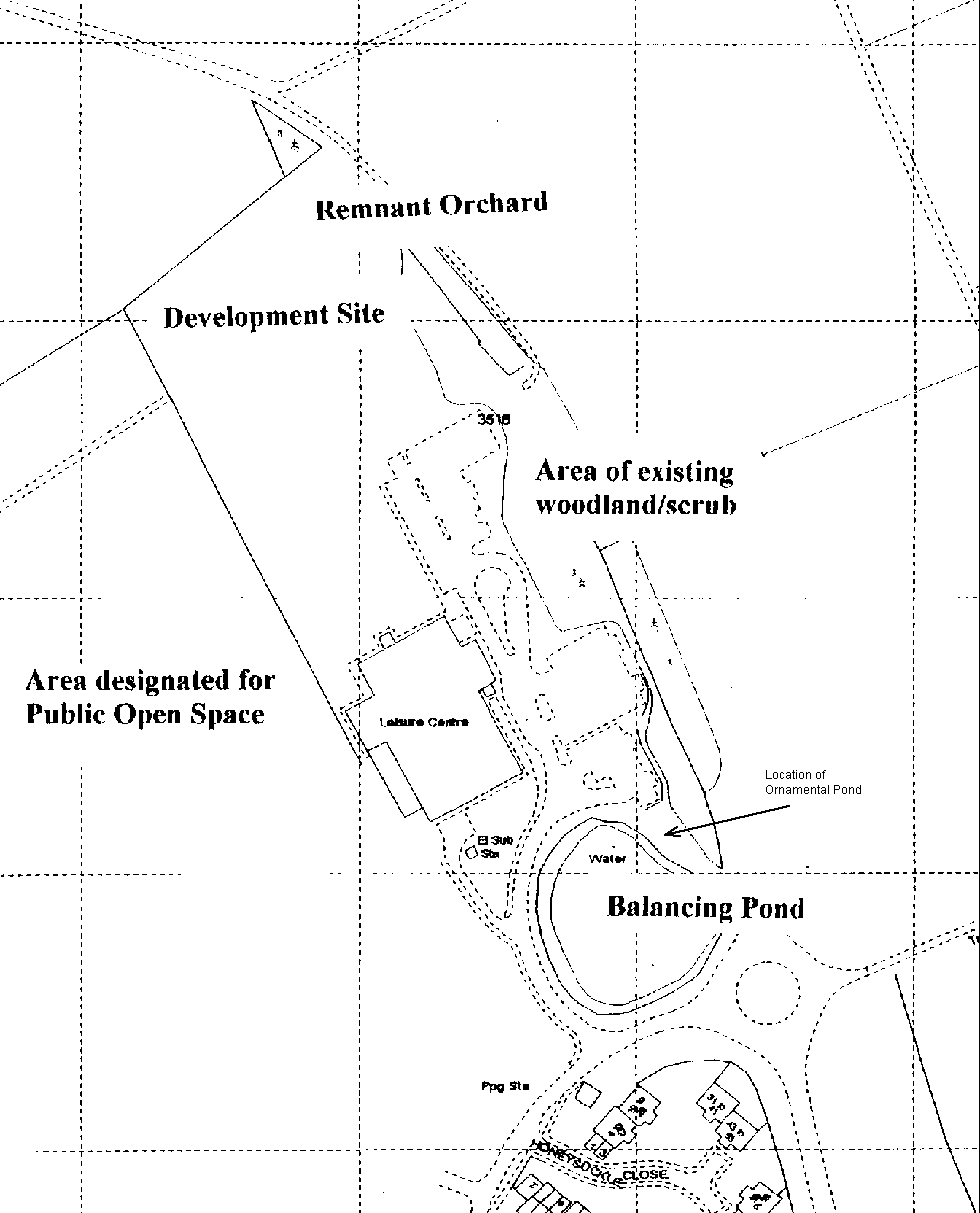
The old moat has disappeared, so has the Manor House. But some of the tree lined hedgerows remain and snowdrops still appear in the spring. The site of the ornamental pond can still be seen adjacent to and just north east of the excavated Balancing Pond. Even this short history lesson can reveal so much about the present day flora and fauna of Saxon Gate. Perhaps we should feel a little humbled that despite major changes at Saxon Gate, amphibians still return each year to what is for them the old Elizabethan Manor House pond. |

|
|