 The
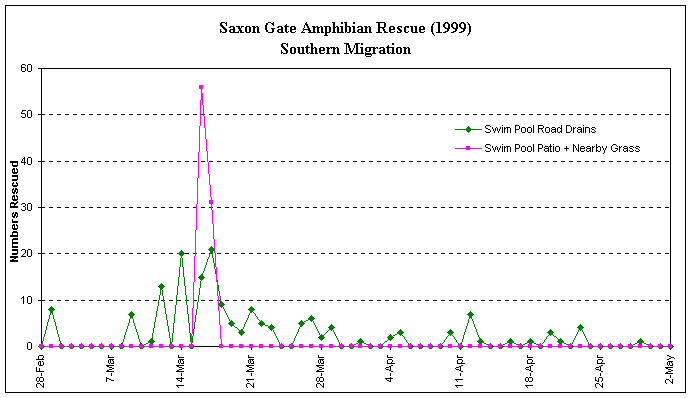
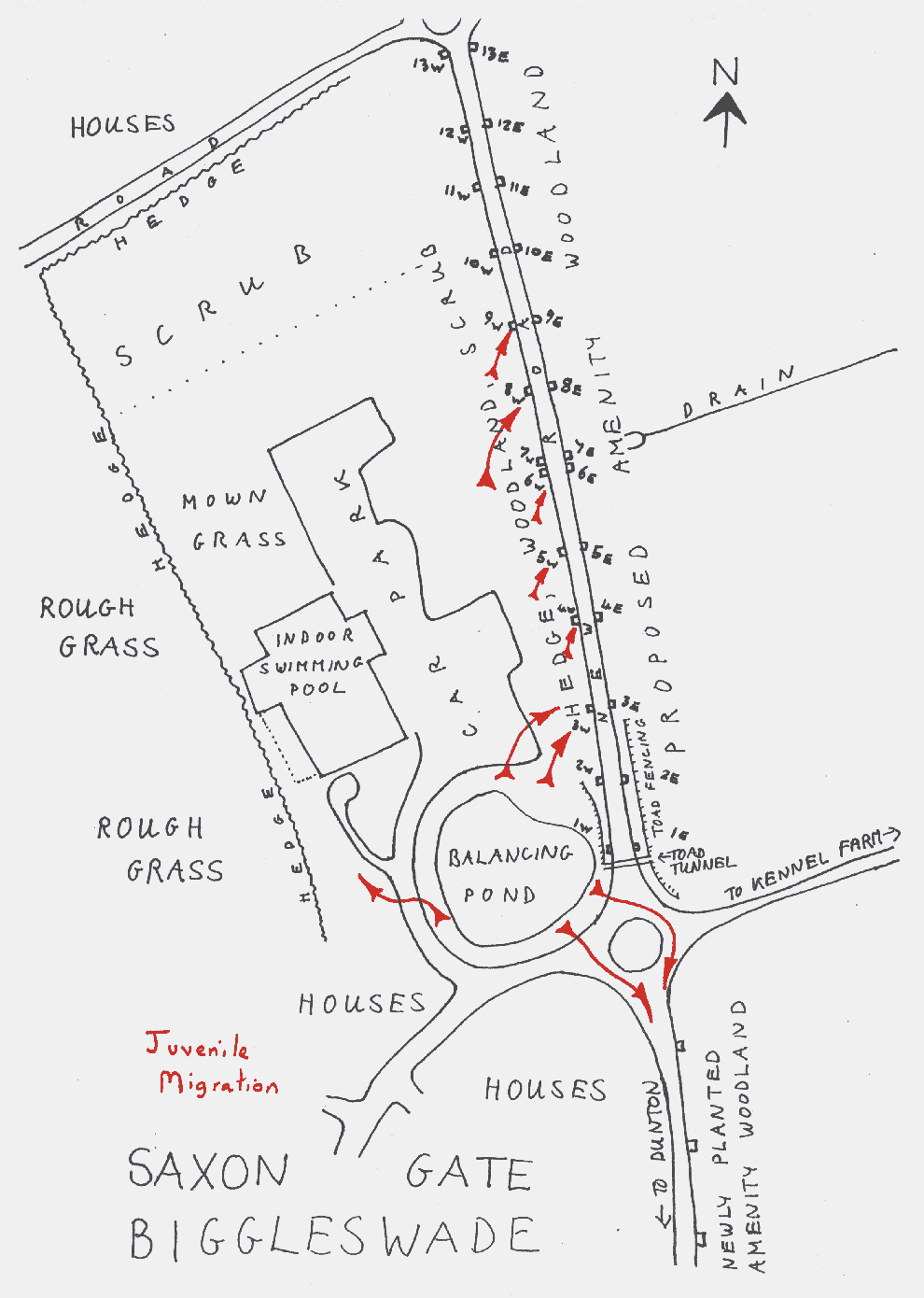
southern migration was seen a few days after the start of
the first migrations and shewed a general movement towards
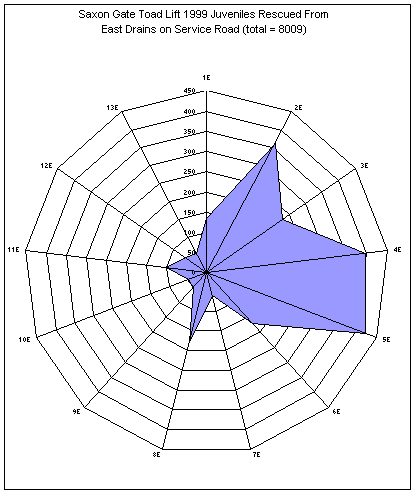
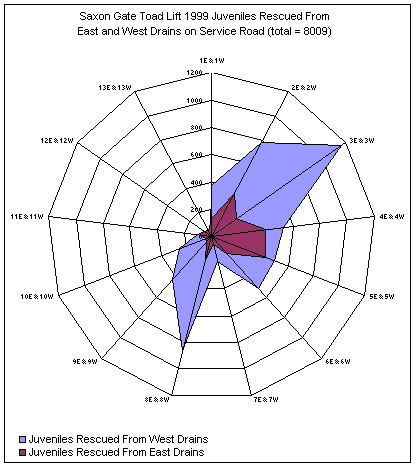
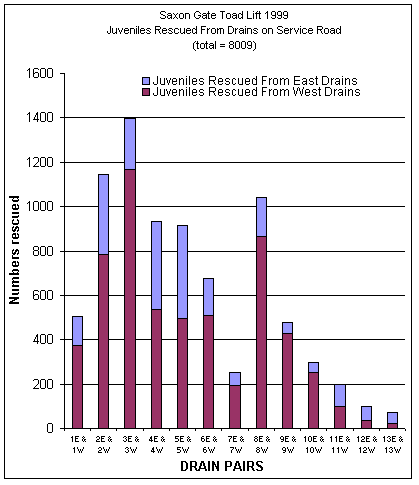
the newly planted amenity woodland. The drains on the east
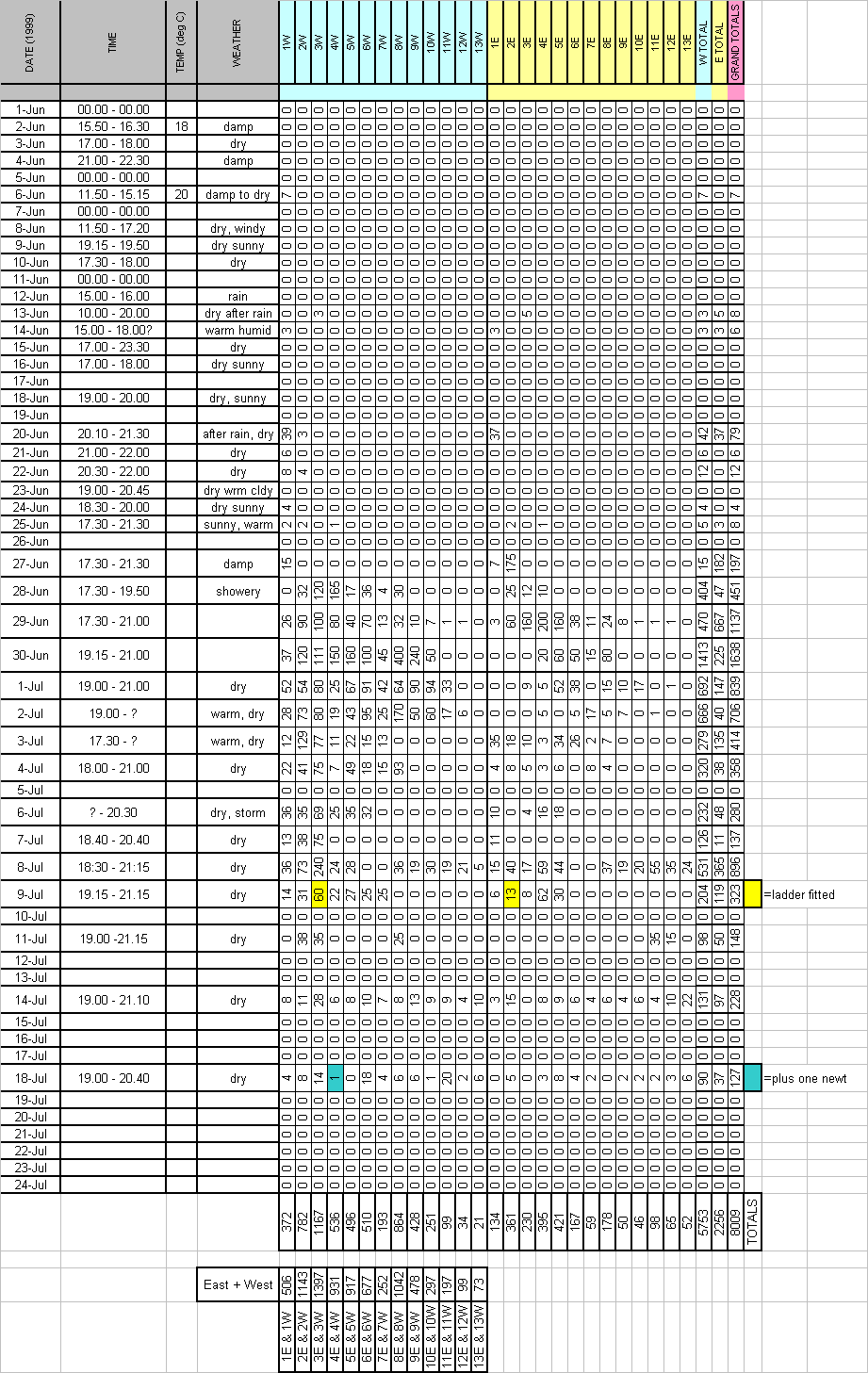
side of the road to Dunton contained greater numbers of trapped
juveniles as compared with those on the west side.
The
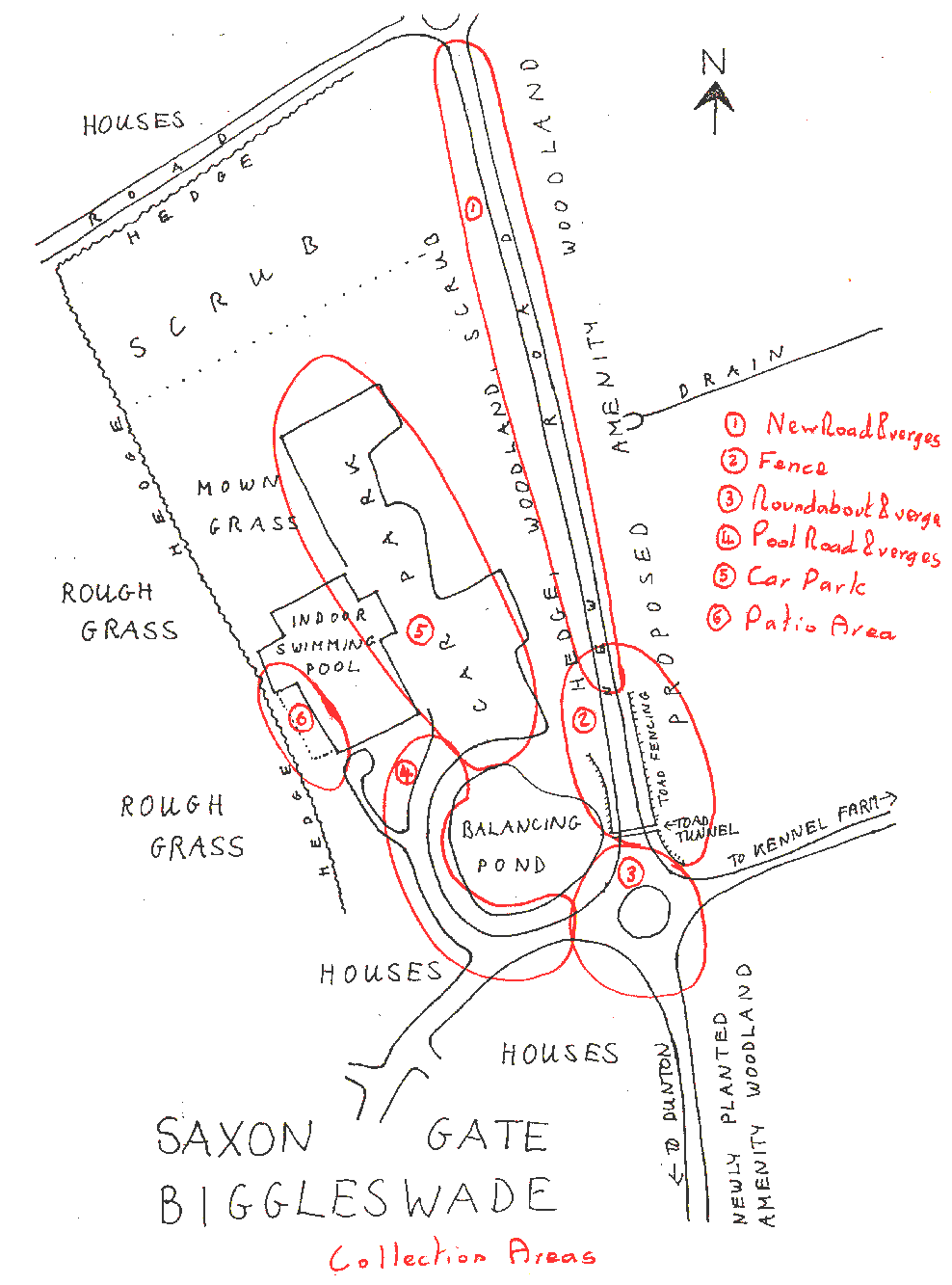
southern migration was seen a few days after the start of
the first migrations and shewed a general movement towards
the newly planted amenity woodland. The drains on the east
side of the road to Dunton contained greater numbers of trapped
juveniles as compared with those on the west side.
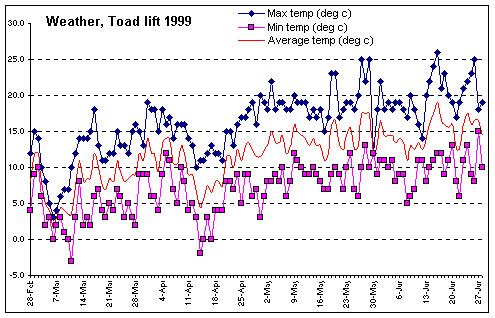
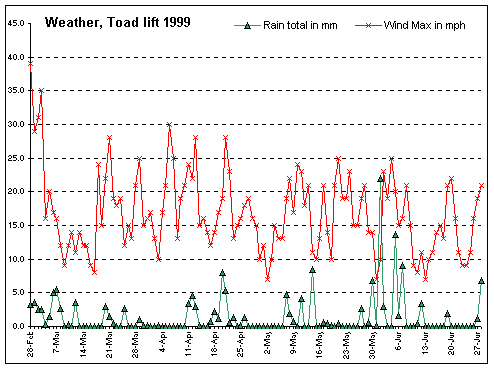
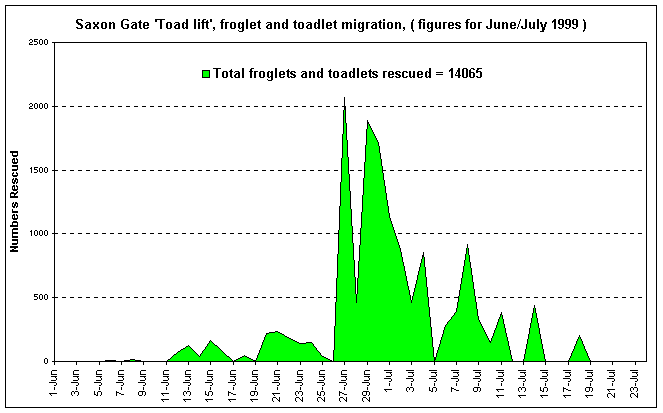
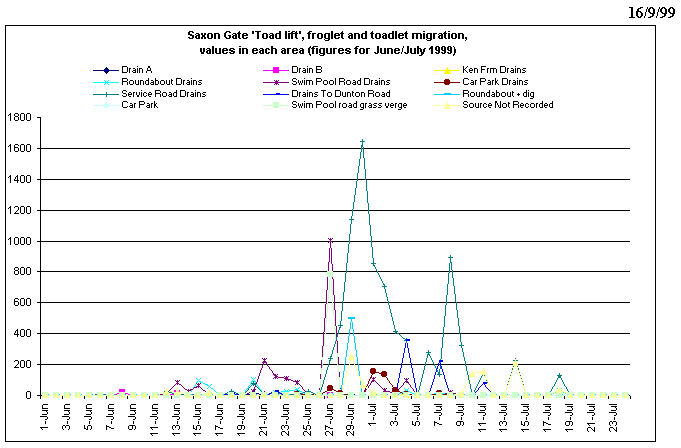
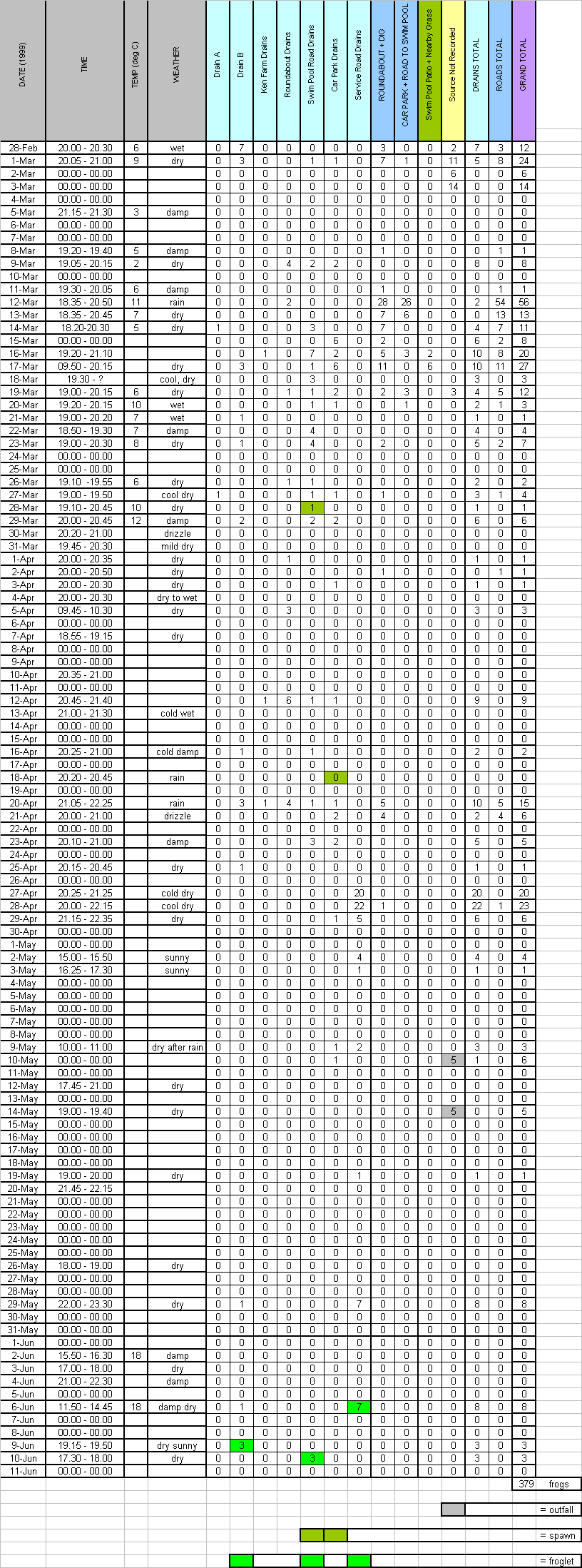
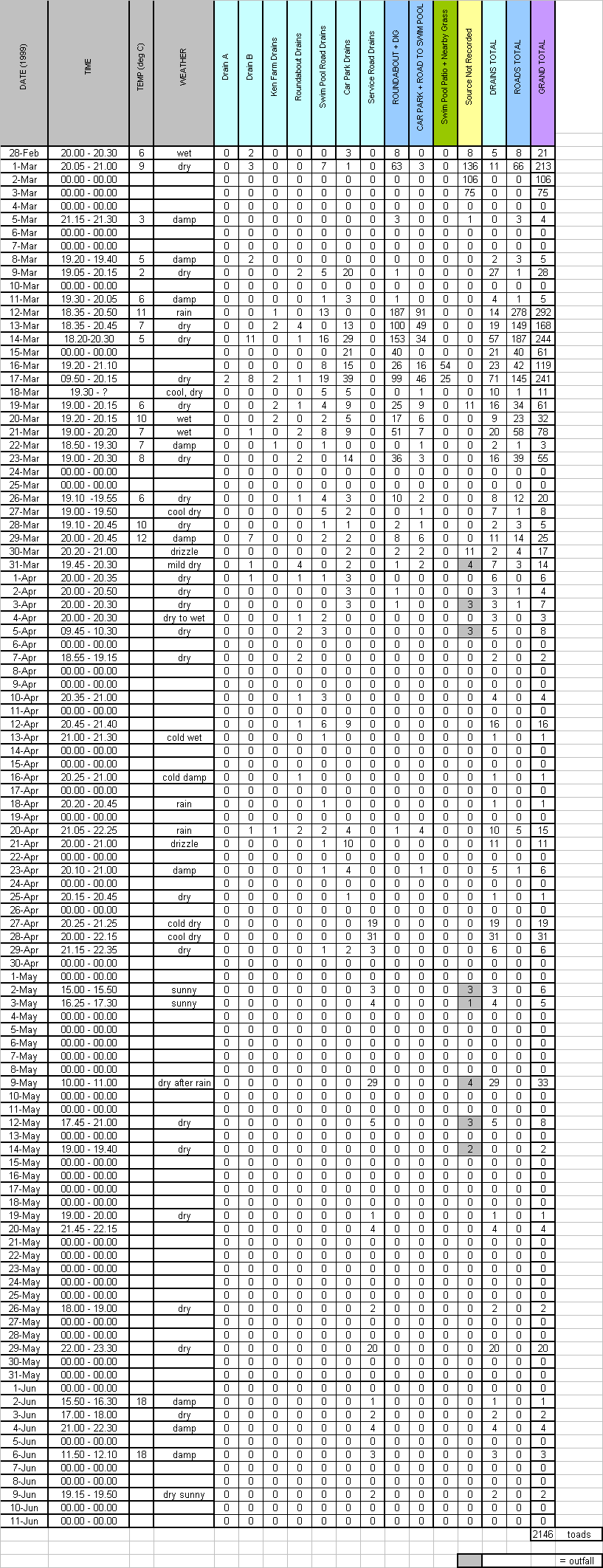
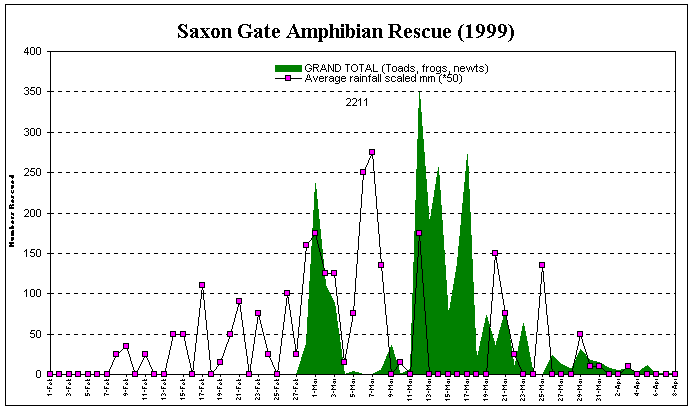
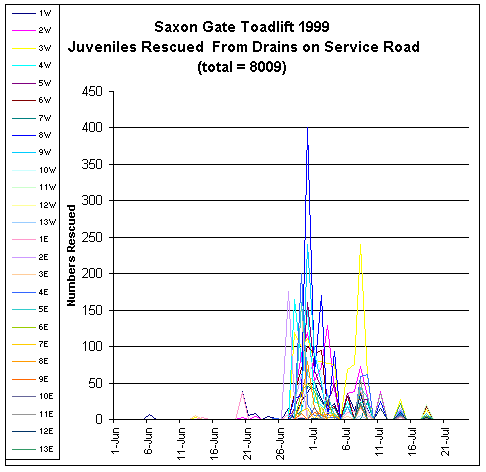
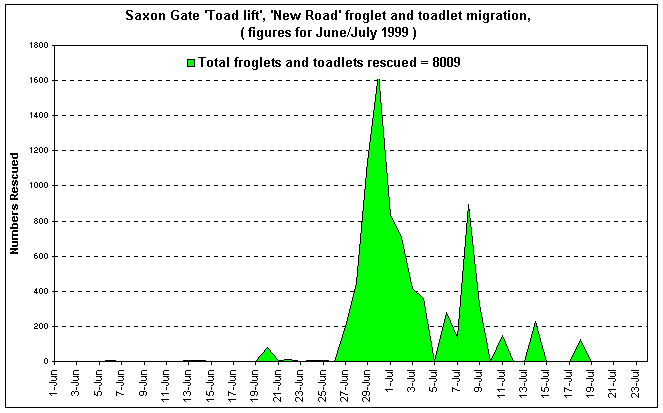
The initiation of toadlet migration depends upon weather,
rain being the major movement inducing influence and is a
relatively speedy process. Froglet migration is more long
drawn out, with a minimal flow of juveniles during dry weather
increasing as damp conditions appear. Movements of froglets
and toadlets are not restricted to the hours of darkness.
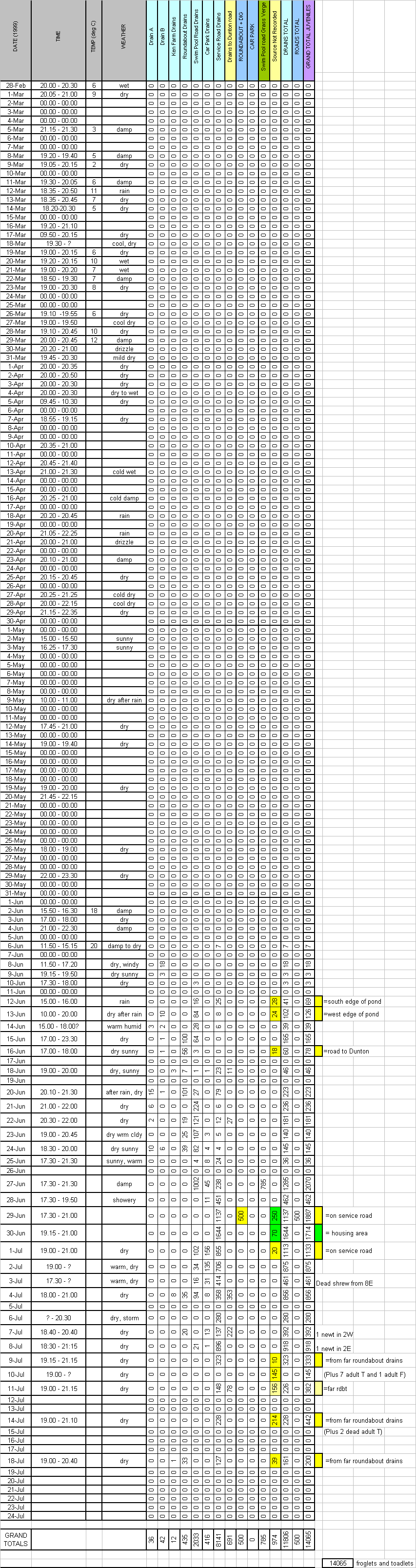
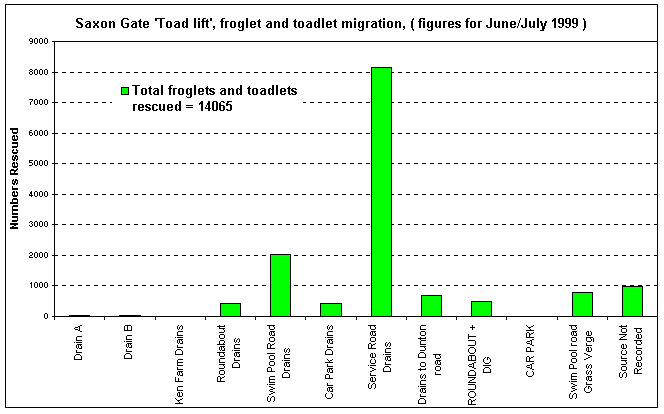
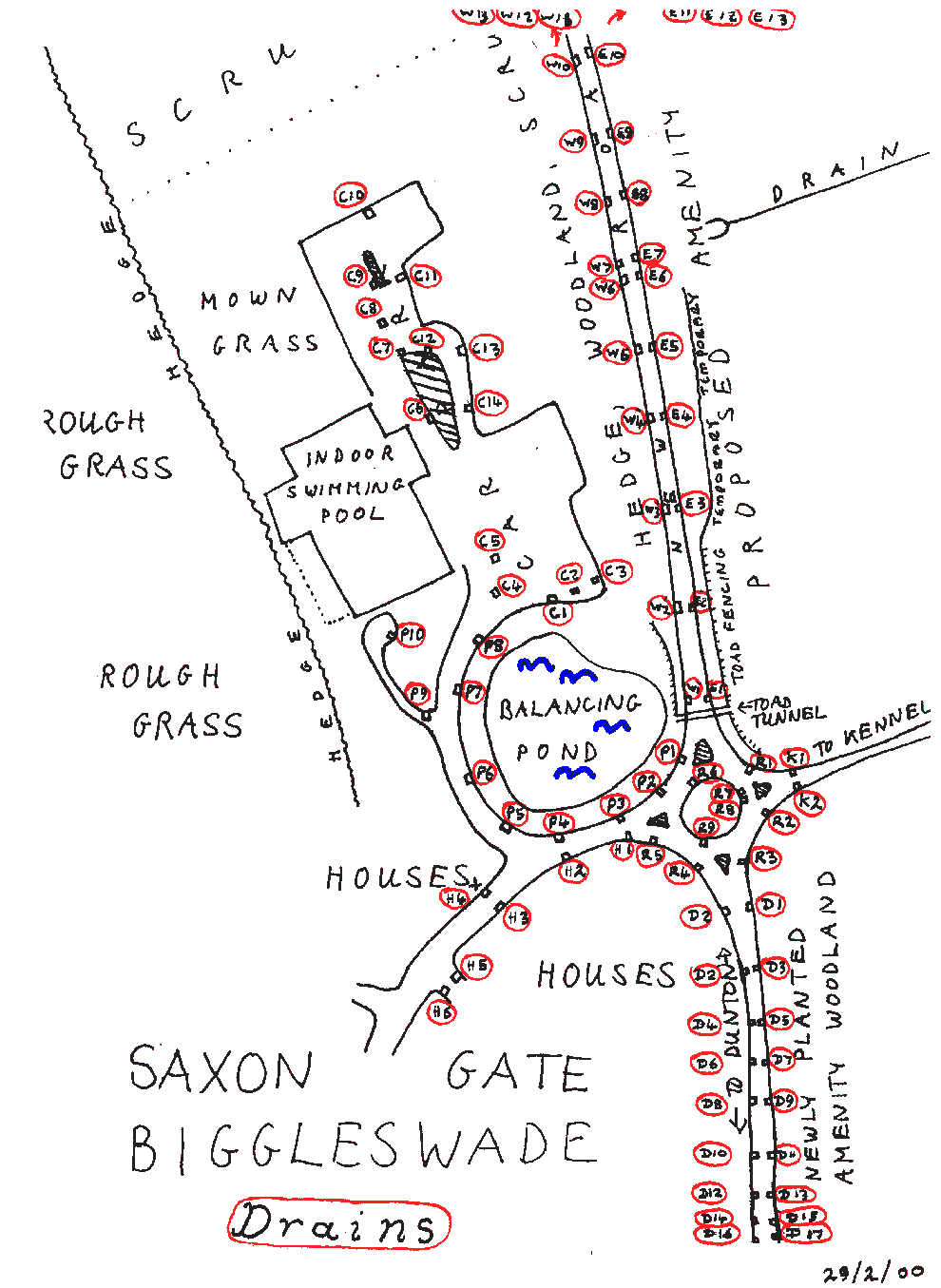
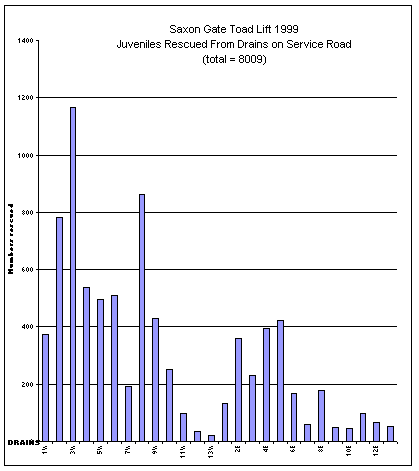
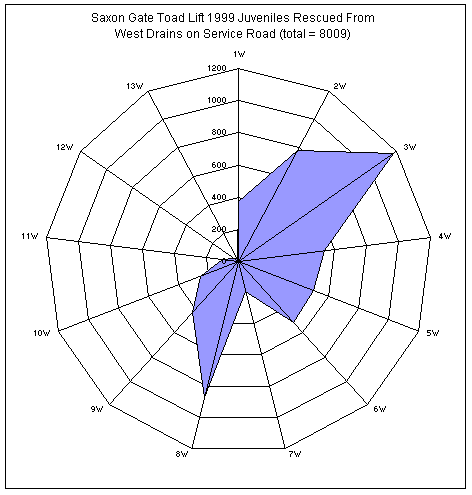
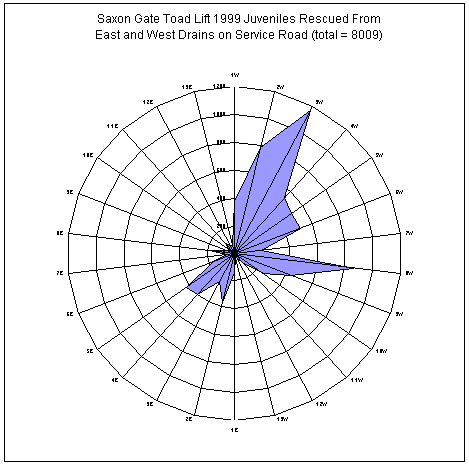
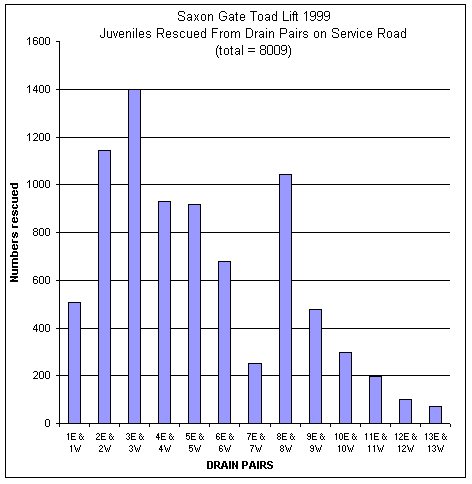
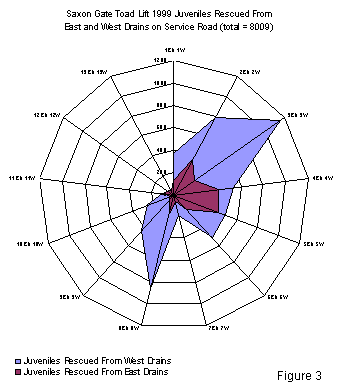
The high concentrations of juveniles in specific drains (8W,
3W, 5E) shew that each migration forms a very narrow route,
as can be seen from figure 3.
AFTERWORD
Mid Beds District Council have submitted proposals for the
building of a LOCAL CENTRE in the path of the northerly migration
route to the only remaining foraging ground accessible without
crossing tarmac. Discussions continue; plans are being drafted
for digging a pond on the other side of the new road.