Natterjack
toad Bufo calamita
Description
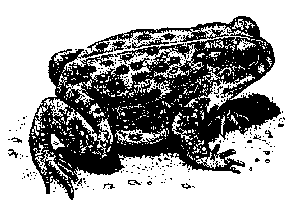
The natterjack
toad can attain an adult length of up to around 7cm; unlike
the common toad, there is little difference in size between
the sexes. Natterjack toads are distinctively marked, with an
olive green or greenish-brown background colour and a yellow
stripe running down the back. The skin is warty, and the warts
often have orange and black mottling. Unlike the other amphibians,
natterjack toads are very specialised in their habitat needs,
being found almost exclusively in sand dunes, salt marshes,
and lowland heath. Partly because of these requirements, the
natterjack is the UK's rarest amphibian, being found at
only around 50 breeding sites.
Legal
protection: 'fully protected' - killing, injuring and
handling, disturbing, damage to habitat and sale prohibited.
A European protected species.
NOT
TO SCALE]
Life
history
Natterjacks have a late and drawn-out breeding season, generally
lasting from April to June. Males have an extremely loud and
unmistakable call. Spawn is generally laid in shallow, temporary
pools with little vegetation. The process from spawn to toadlet
is very rapid, taking 6-8 weeks on average (much shorter than
for frogs or common toads). Natterjacks tend to take two years
(males) or three years (females) to mature. Adult natterjacks
are carnivorous, feeding on almost any small invertebrate. Hibernation
occurs from around October to April.
Critical factors - natterjack toads require:
- Ponds
for breeding - generally shallow, little vegetated, unshaded
pools, which dry up in summer.
- A
soil type which allows burrowing - usually sand.
- Open,
sparsely vegetated land habitat (ideally with patches of
bare ground) for foraging.
- A
lack of (or at least low numbers of) common frogs and common
toads, the tadpoles of which can interfere with natterjack
toad tadpole development.
- Vegetated,
ideally damp areas near the breeding pools for emerging
toadlets.
- Hibernation
areas - ideally in high, sandy banks which protect against
flooding and winter frosts.
(Provided
by and reproduced with permission of: English Nature)
|
|